Restaurant Inventory Management: Recipes, Waste and Food Cost
Learn how restaurants can track ingredients, calculate recipe costs, reduce food waste and improve profit margins with better inventory management.
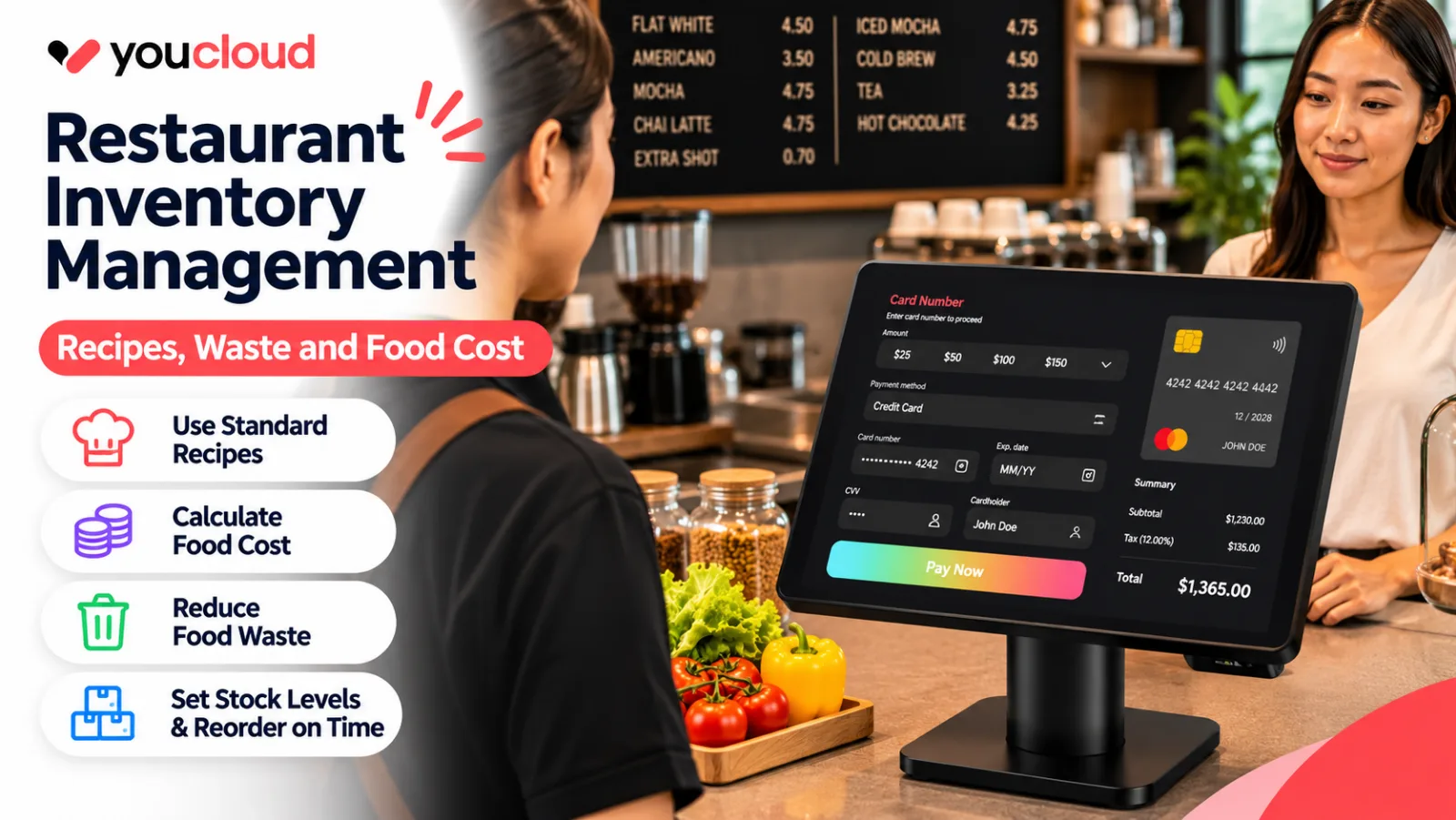
Restaurant inventory management helps food businesses reduce waste, control food costs and protect profit margins. A busy restaurant may sell hundreds of meals each day. However, high sales do not always mean high profits.
Small issues like large portions, expired food and missing stock can increase daily costs. Over time, these losses can hurt the business.
The good news is that restaurant owners can control these costs with better stock tracking, clear recipes and regular food cost checks.
How Restaurant Inventory Management Works
Unlike retail stores, restaurants sell meals made from several ingredients. A single burger may use bread, meat, cheese, vegetables and sauce.
Therefore, tracking finished meals alone is not enough. Your team must also track the ingredients used to prepare each dish.
A good stock management process helps you understand:
- How much food is in stock.
- Which ingredients need to be ordered.
- How much food the kitchen uses.
- Which items go to waste.
- How much each dish costs to make.
As a result, managers can make better buying and menu decisions.
1. Track Ingredients With Standard Recipes
Each dish should have a fixed recipe with clear ingredient amounts. Without standard recipes, chefs may use different portions for the same meal.
For example, a chicken burger may require 150 grams of chicken, one bun, one cheese slice and 20 grams of sauce.
If the kitchen sells 80 burgers, the expected chicken use is 12 kilograms. However, if the team uses 14 kilograms, the extra two kilograms need to be reviewed.
This gap may come from large portions, prep waste or stock errors.
By setting clear recipes, restaurant owners can improve food quality and keep costs under control.
2. Calculate the Food Cost of Each Dish
Knowing the cost of each meal helps you set better menu prices. Start by adding the cost of every ingredient in a recipe.
For example, consider a chicken burger with the following costs:
- Chicken: AED 3.00
- Bun: AED 1.00
- Cheese: AED 0.80
- Vegetables: AED 0.70
- Sauce: AED 0.50
Total food cost: AED 6.00
If the burger sells for AED 24, its recipe food cost is 25%.
However, the remaining AED 18 is not pure profit. The restaurant must also cover staff, rent, utilities and other costs.
In addition, review recipe costs when supplier prices change. A popular dish may become less profitable if its ingredients cost more.
3. Monitor Restaurant Food Cost Percentage
Your restaurant food cost percentage shows how much of your food sales goes towards food costs.
For a simple reporting period with no stock transfers or other adjustments, use this formula:
Food cost = Opening stock + Food purchases − Closing stock
Food cost percentage = (Food cost ÷ Net food sales) × 100
For example, suppose your weekly figures are:
- Opening stock: AED 5,000
- Food purchases: AED 12,000
- Closing stock: AED 4,000
- Net food sales: AED 40,000
Your total food cost is AED 13,000, which gives you a food cost percentage of 32.5%.
A restaurant food cost calculator can help you track this figure each week.
However, there is no single ideal percentage for every restaurant. Compare your results with your own budget, menu prices and past performance.
4. Reduce Food Waste in the Kitchen
Food waste is a cost that can easily go unnoticed during busy shifts. Therefore, your team should record wasted food as it occurs.
Start by tracking the food item, amount and reason for each loss.
Common causes include:
- Expired ingredients.
- Excess food preparation.
- Incorrect orders.
- Cooking mistakes.
- Large serving portions.
Next, review waste records at the end of each week. If the same item appears often, find out why.
For instance, a café that throws away milk each evening may need to adjust its buying plan.
The EPA food waste tracking resources also provide useful tools for food service businesses.
5. Set Stock Levels and Reorder Points
Running out of key ingredients can lead to lost sales. On the other hand, buying too much stock increases the risk of spoilage.
Set a minimum stock level for each key ingredient. Then, place new orders based on sales trends and supplier delivery times.
For example, a restaurant may need more chicken before the weekend than on a quiet Monday.
Also, use older stock first when it remains safe to use. Check expiry dates and follow proper food storage rules.
These simple steps help reduce waste without leaving the kitchen short of food.
6. Connect Inventory With Restaurant Sales
Manual stock records can become hard to manage as a restaurant grows. Moreover, separate tools for orders, stock and sales create extra work for staff.
When choosing restaurant inventory management software, look for features such as:
- Ingredient-level stock tracking.
- Recipe-based stock updates.
- Low-stock alerts.
- Food cost reports.
- Multi-outlet stock visibility.
Together, these tools can help managers compare stock use with sales and spot costly gaps.
However, software works best when recipes, stock counts and purchase records are accurate.
Improve Restaurant Operations With youResto
Better restaurant cost control starts with a clear view of daily operations. Instead of reviewing sales and kitchen records in isolation, bring your teams and workflows together.
youResto restaurant POS system brings restaurant orders, billing and kitchen workflows into one connected platform.
Whether you run a café, a quick-service outlet or a full-service restaurant, choosing the right tools can support better daily decisions.
Explore youResto and discuss the inventory and reporting features your restaurant needs.